
In every production plant, the primary goal is to produce the highest volume of high-quality products. To achieve this in the field of wire, rope, and cable production, a combination of factors must work together:
- Well-engineered equipment
- A strong relationship with the OEM to combine the know-how of the equipment manufacturer with that of the end user
- Good dies
- Good lubricants
- Good raw material and proper preparation
- Process know-how
While the combination of these factors can help wire producers achieve their production goals in the short to medium term, maintaining the same level of quality and efficiency over the long term requires continuous attention, and above all, proper equipment maintenance.
What makes the difference over this timeframe is maintenance. Proper maintenance of the equipment is the key element for ensuring long-term performance.
HOW PREVENTIVE MAINTENANCE WORKS
Preventive maintenance works by implementing a series of systematic, scheduled maintenance tasks aimed at preventing equipment failures before they occur. The main components of preventive maintenance include:
- Scheduled Inspections: Regular checks on equipment to assess its condition and performance. This helps identify potential issues before they lead to breakdowns. Inspections can include visual checks, testing equipment under load, and other diagnostic procedures.
- Routine Maintenance Tasks: These are predefined tasks such as lubrication, cleaning, adjustments, and part replacements that are performed on a regular basis, based on the manufacturer’s recommendations or historical data on equipment performance.
- Monitoring and Data Collection: Collecting data on equipment performance through sensors or manual logging helps track conditions that might indicate the need for maintenance. Advanced systems can analyze this data in real time, providing insights into when maintenance should be conducted.
- Documentation: Keeping detailed records of all maintenance activities helps organizations understand maintenance histories, plan future maintenance, and comply with regulatory requirements.
- Training and Procedures: Ensuring that maintenance staff are trained and that procedures are documented helps to standardize maintenance activities, improve efficiency, and reduce the risk of errors.
WHY CHOOSE PREDICTIVE MAINTENANCE INSTEAD OF REACTIVE MAINTENANCE
Choosing preventive maintenance over reactive maintenance offers several advantages that can lead to significant cost savings and improved operational efficiency:
- Cost Savings: Preventive maintenance is generally more cost-effective than reactive maintenance. According to a report by the U.S. Department of Energy, preventive maintenance can reduce costs by 12% to 18% compared with reactive maintenance program. This is primarily because preventive maintenance helps avoid the high costs associated with unplanned downtime and extensive repair time. Preventive maintenance schedules regular checks and tasks that help ensure machinery runs smoothly, thereby minimizing unexpected breakdowns and the associated downtime.
- Increased equipment lifespan: Regular maintenance extends the lifespan of equipment by addressing wear and tear before it leads to failure. This proactive approach can significantly delay the need for costly replacements.
- Improved Safety: Preventive maintenance contributes to safer work environments by ensuring equipment operates correctly and efficiently. This reduces the risk of accidents that can occur due to malfunctioning machinery.
- Better Resource Allocation: With preventive maintenance, maintenance teams can focus on planned and value-adding tasks rather than constantly responding to unexpected breakdowns. This not only optimizes labor resources but also improves overall operational efficiency.
- Data-Driven decisions: Preventive maintenance programs leverage technology for data analysis, allowing organizations to monitor equipment health and predict maintenance needs. This insight enables more strategic planning and enhances overall maintenance effectiveness.
In summary, adopting preventive maintenance not only leads to cost savings but also improves operational efficiency, safety, and equipment longevity.
THE CONSEQUENCES OF A LACK OF MAINTENANCE, A REAL EXAMPLE
For drawing line blocks, regular maintenance is crucial to maintaining optimal performance. This includes monitoring the condition of the blocks and removing any limescale buildup with specific cleaning solutions, all without the need to disassemble the machine. The frequency of maintenance depends on the condition of the facility and the hardness of the water.
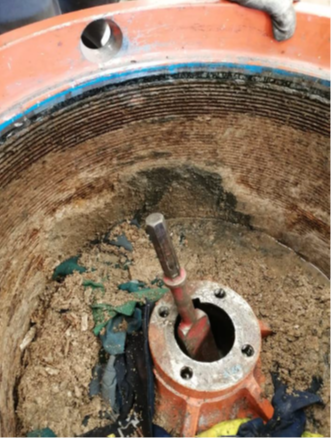
In the image above, neglecting regular maintenance resulted in rusted drawing blocks, which in turn caused reduced thermal exchange, slower drawing speeds, and compromised wire quality. To resolve this, the block must be opened, sandblasted to restore thermal exchange, and the water drain tank must be cleaned of any oxide buildup. In some cases, certain components may even need to be replaced.
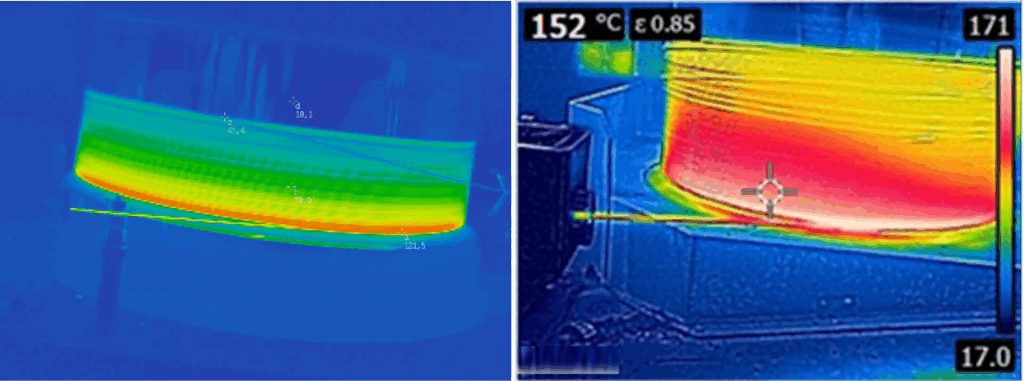
With proper maintenance, our machines can operate efficiently for 30 to 40 years, delivering exceptional performance and quality. However, consistent maintenance is the key to ensuring this longevity and continued excellence.
CONCLUSIONS
Poorly maintained equipment could easily lead to a breakdown and a breakdown means a loss for a company.
The reaction to a problem when it arises generates urgency and often results in long down times and loss of production.
With the different approach provided by a Preventive maintenance program, we can anticipate issues in most cases and solve them before they result in a major stop.
Preventive maintenance can be approached through different strategies. However, the more we understand how our equipment operates by leveraging the data collection systems available on the market today, the better we can fine-tune our preventive maintenance activities and gradually transform them into a predictive maintenance program.
MFL X Acumen can play an enabling role in this journey toward predictive maintenance. Thanks to its ability to collect data from the entire production line, analyze it, store historical records, and provide real-time insights, maintenance operators can use historical logs to identify recurring issues, proactively address potential problems before they escalate, set thresholds for key performance indicators (KPIs) or specific data points, receive alerts when thresholds are exceeded, and effectively plan and manage machine downtime.
To further support customers throughout the entire lifecycle of their assets, MFL offers Service Level Agreements (SLAs) that combine traditional maintenance services with digital solutions. These agreements leverage industrial data to generate valuable operational insights, enabling both end users and OEMs to make informed, data-driven decisions. Quarterly intelligence reports, remote support, on-site annual programmed visit, and expert technical support ensure that equipment performance is continuously monitored and optimized, reducing unplanned downtime and extending machine life.
Although maintaining a dedicated maintenance team involves an initial investment, this cost is more than justified when compared with the significantly higher costs associated with major production stoppages.
Authors:
Marco Dell’Oro, MFL U.S.A. Service Corporation General Manager
Marco Dell’Oro is the General Manager of MFL USA, the MFL Group company serving the wire and rope market across North America. He joined Mario Frigerio in 1987 as Assistant to the Sales Director, beginning a journey that followed the company’s international growth. During the 1990s, he took part into the company’s international expansion and, in 1997, became Sales Director of the Group’s wire & cable start-up, later operating under the Frigeco brand. In the early 2000s, he took the lead of MFL USA, expanding the company’s presence and contributing to the growth of the North American market.
Source: U.S. Department of Energy, O&M Best Practices Guide, Release 3.0 Operations & Maintenance Best Practices Guide: Release 3.0